

When most homeowners think about air pollution, they picture smog outside or vehicle emissions along busy highways. However, many people are surprised to learn that indoor air can sometimes be more polluted than outdoor air. One of the most common contributors to indoor air pollution is a group of chemicals known as Volatile Organic Compounds, often referred to simply as VOCs.
For families living in Spring, The Woodlands, and surrounding areas, VOCs can quietly affect indoor air quality without being immediately noticeable. Because HVAC systems circulate air throughout the home, they play an important role in managing and reducing exposure to these compounds.
Understanding what VOCs are and how they interact with your HVAC system can help homeowners create a healthier indoor environment.
What Are Volatile Organic Compounds?
Volatile Organic Compounds are carbon-based chemicals that easily evaporate into the air at room temperature. Because they vaporize easily, they can become airborne inside a home and circulate through the indoor air.
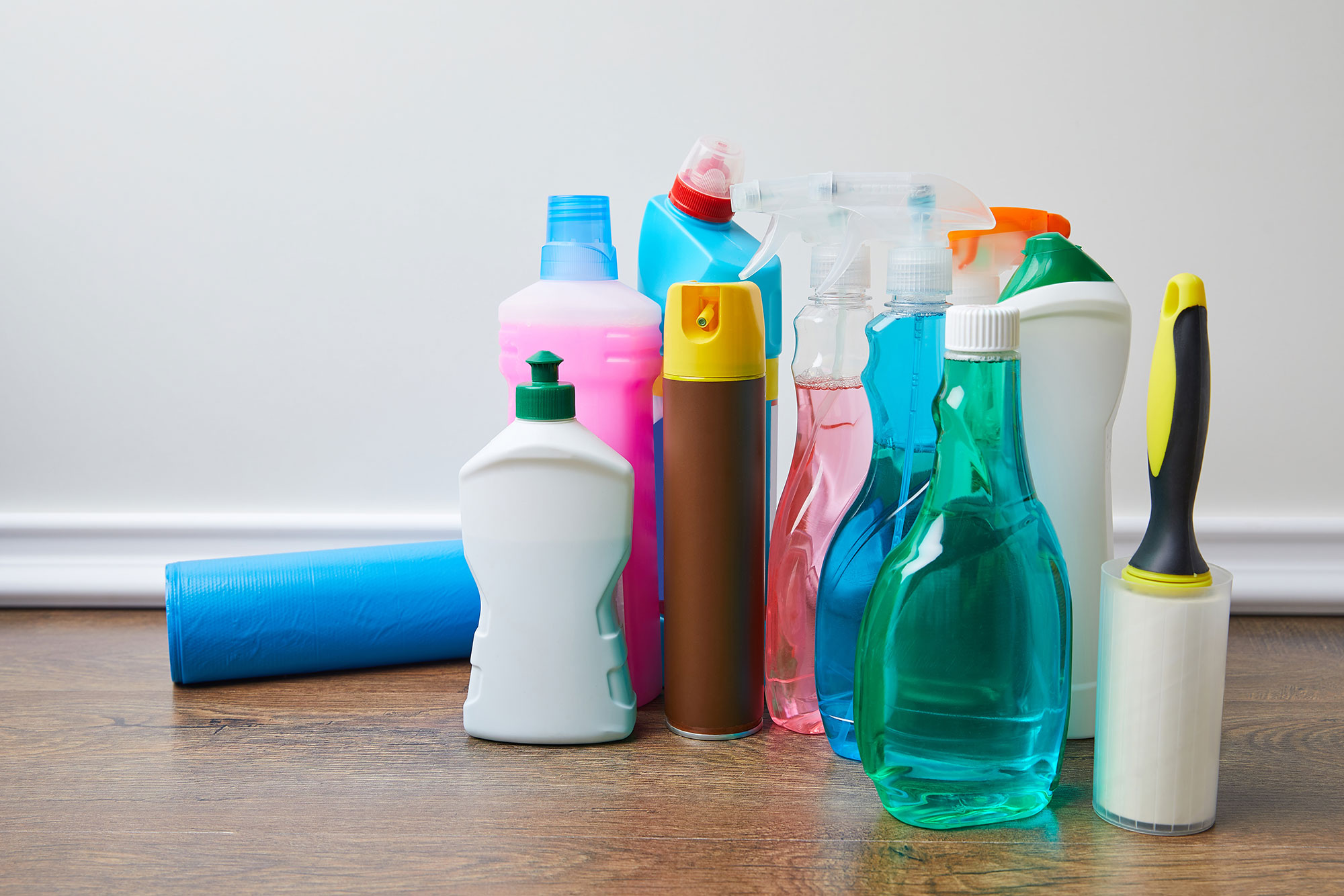
Many everyday products found in residential homes contain VOCs. These compounds are commonly released from items such as paints, cleaning products, furniture finishes, building materials, and certain household chemicals.
In newly built homes or recently renovated spaces, VOC levels may temporarily increase because many materials release small amounts of gases as they cure or age. This process is often referred to as “off-gassing.”
Even though most household VOC exposure occurs in small amounts, consistent exposure over time can affect indoor air quality and comfort.
Common Sources of VOCs Inside the Home
VOCs can come from a variety of everyday items. Many of these sources are so common that homeowners rarely think about them as air quality concerns.
Examples include:
- Paints, stains, and varnishes
- Household cleaning products and disinfectants
- Air fresheners and scented candles
- New carpets and furniture
- Plywood, pressed wood, and cabinetry
- Adhesives and sealants
- Certain types of flooring materials
Because these products are often used indoors, VOC vapors can accumulate in the air—especially in homes that are tightly sealed for energy efficiency.
How VOCs Can Affect Residential Families
The effects of VOC exposure vary depending on the type of compound and the concentration in the air. In many cases, homeowners may first notice a strong odor coming from a product or material. However, some VOCs have very little smell, making them harder to detect without proper air quality monitoring.
For families living in homes with elevated VOC levels, symptoms may include headaches, eye irritation, throat discomfort, or fatigue. Some people may also experience dizziness or allergic-type reactions when exposed to certain chemicals.
Children, elderly individuals, and people with respiratory conditions such as asthma can be more sensitive to indoor air pollutants. Because families spend a significant amount of time indoors—especially during extreme Texas heat—maintaining healthy indoor air quality becomes particularly important.
The Role Your HVAC System Plays in VOC Exposure
Your HVAC system continuously circulates air throughout the home. This circulation helps maintain temperature and comfort, but it also means that airborne contaminants—including VOCs—can move through the duct system.
If VOC levels are elevated in one area of the home, the HVAC system can distribute those airborne compounds into other rooms. At the same time, the HVAC system can also play a critical role in improving indoor air quality when equipped with proper filtration and purification technology.
Modern HVAC systems are capable of supporting advanced indoor air quality solutions that help reduce airborne pollutants and chemical vapors. These systems work alongside your heating and cooling equipment to create cleaner, healthier air throughout the home.
Why Modern Homes May Have Higher VOC Levels
Ironically, newer homes designed for energy efficiency can sometimes trap pollutants more easily than older homes. Modern construction techniques focus heavily on insulation and air sealing to reduce energy loss.
While this improves energy efficiency, it can also limit natural ventilation. Without adequate airflow exchange, VOCs released from building materials, furniture, or household products may remain suspended in indoor air longer.
This is one reason why HVAC systems with enhanced filtration and ventilation capabilities have become increasingly important for maintaining indoor air quality.
HVAC Solutions That Help Reduce VOCs
Fortunately, there are several HVAC-based solutions that can help reduce the concentration of VOCs inside a home.
High-efficiency air filtration systems are often the first step in improving indoor air quality. These filters capture airborne particles and help prevent contaminants from circulating through the home.
Whole-home air purification systems can also help neutralize certain airborne pollutants and improve overall air freshness. Some systems are designed to break down chemical compounds and reduce odors associated with VOCs.
Ventilation systems are another valuable tool. By introducing controlled amounts of fresh outdoor air into the home, ventilation systems help dilute indoor pollutants and improve air exchange.
Humidity control also plays an important role. Proper humidity levels can help prevent chemical vapors and other pollutants from lingering in indoor air.
When combined, these technologies create a more balanced indoor environment and help protect families from long-term exposure to airborne pollutants.
How Majestic AC Helps Improve Indoor Air Quality
For homeowners in Spring, The Woodlands, and nearby communities, Majestic AC provides HVAC services that go beyond heating and cooling. Indoor air quality has become a major focus for many families, especially as awareness of airborne pollutants continues to grow.
Majestic AC technicians can evaluate your current HVAC system and recommend solutions designed to improve indoor air quality. This may include upgrading filtration systems, installing air purification technology, or optimizing airflow throughout the home.
In many cases, homeowners are surprised at how much difference proper HVAC maintenance and filtration upgrades can make. Cleaner air not only improves comfort but can also contribute to a healthier home environment for the entire family.
Frequently Asked Questions About VOCs and Indoor Air Quality
VOC stands for Volatile Organic Compound, which refers to chemicals that easily evaporate into the air and may contribute to indoor air pollution.
Yes. Many everyday household products—including paints, cleaning supplies, and furniture—release small amounts of VOCs into indoor air.
Standard HVAC systems primarily filter particles, but when paired with advanced filtration or air purification systems, they can help reduce airborne pollutants and improve indoor air quality.
New homes or recently renovated homes may temporarily have higher VOC levels due to off-gassing from new materials such as paint, flooring, and cabinetry.
Reducing VOC exposure often involves improving ventilation, upgrading air filtration, using low-VOC household products, and maintaining a properly functioning HVAC system.
Creating a Healthier Home Environment
Indoor air quality is an important part of home comfort that many people overlook. While temperature control is the primary function of an HVAC system, the same system can also play a major role in managing airborne pollutants like VOCs.
By combining proper HVAC maintenance, improved filtration, and advanced indoor air quality solutions, homeowners can create a cleaner and healthier environment inside their homes.
For families living in Spring and The Woodlands, Majestic AC provides trusted residential HVAC services designed to keep homes comfortable while improving the air families breathe every day.