
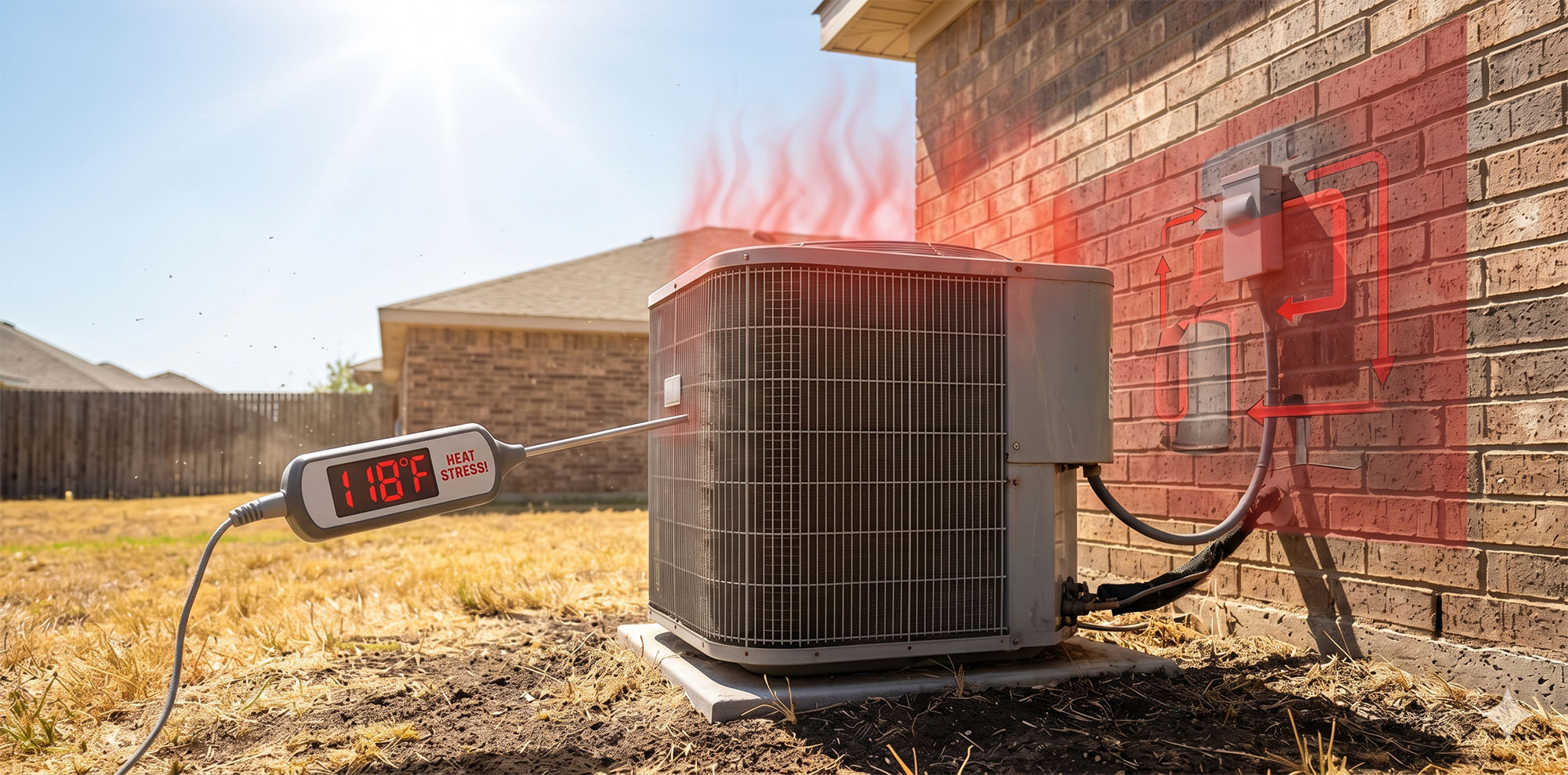
When summer temperatures soar into the high nineties and triple digits, your home transforms into an oasis of safety and comfort. Behind this seamless experience lies your residential air conditioning system, a sophisticated thermodynamic assembly working relentlessly against the laws of physics. While we experience the blistering weather as a minor inconvenience mitigated by a simple adjustment of the thermostat, your air conditioner experiences it as a period of profound mechanical and electrical stress. Understanding the precise physiological impacts of sustained high temperatures on your cooling system is vital to ensuring its longevity, optimizing your energy expenditures, and preventing sudden, catastrophic operational failures when you need cooling the most.
The Physics of Heat Transfer Under Extreme Atmospheric Conditions
To fully grasp how heat stress degrades an air conditioner, one must first look at the basic thermodynamic principles governing standard split-system residential units. An air conditioner does not generate crisp, cool air in the traditional sense; rather, it functions as a heat redistribution mechanism. It extracts thermal energy from the interior living spaces of your home and expels it into the surrounding outdoor environment. This continuous process relies heavily on a specialized chemical refrigerant that shifts back and forth between liquid and gaseous states as it travels through a closed loop of copper coils.
Under normal ambient conditions, say an afternoon hovering around eighty-five degrees, the temperature differential between the hot outdoor air and the even hotter refrigerant within the condenser coils is wide enough to facilitate rapid, efficient heat rejection. According to the laws of thermodynamics, heat naturally migrates from a region of higher temperature to one of lower temperature. The greater this initial temperature difference, the faster and more efficiently the thermal exchange occurs.
However, when an intense heat wave drives ambient outdoor temperatures up to one hundred degrees or higher, this critical temperature gap narrows dramatically. The air surrounding the outdoor condenser unit becomes saturated with intense thermal energy, making it a very poor recipient for the heat that the refrigerant is desperately trying to shed. To compensate for this diminished natural heat transfer, the entire system must artificially escalate its internal pressure levels. The compressor is forced to work exponentially harder to squeeze the gaseous refrigerant into an exceptionally high-temperature, high-pressure state, raising its temperature well above the external air to force heat rejection. This prolonged period of elevated operational pressure marks the beginning of acute heat stress on your equipment.
The Compressor: A Heart Working Under Cardiac Stress
Often referred to as the heart of your HVAC system, the compressor is the single most critical and expensive component within your air conditioner. Its primary operational duty is to circulate refrigerant through the system while raising its pressure and temperature to sustain the continuous cooling cycle. When external heat waves strike, the compressor bears the heaviest burden of the increased system workload.
Under sustained heat stress, the electrical current drawn by the compressor climbs sharply. Because the unit must pump against a much higher head pressure to reject thermal energy into the scorching outdoor air, it demands significantly more wattage from your home’s electrical panel. This surge in electrical activity naturally generates substantial internal heat within the compressor windings. Over time, this compounding thermal buildup can compromise the delicate electrical insulation protecting the internal motor. If this protective insulation degrades or breaks down completely, a localized electrical short occurs, leading directly to a burned-out compressor motor—a catastrophic failure that often necessitates complete system replacement.
Beyond electrical vulnerabilities, the mechanical components within the compressor rely heavily on a specialized oil blend for vital lubrication. This oil is engineered to mix seamlessly with the refrigerant, ensuring smooth operation of the internal pistons, scrolls, or valves. However, extreme internal temperatures can cause this critical lubricant to lose its viscosity and break down. When the oil thins out due to excessive heat, it fails to maintain a protective barrier between fast-moving metallic parts. The resulting metal-on-metal friction creates localized hot spots, accelerates mechanical wear, and can eventually lead to mechanical seizure, effectively killing the unit’s compressor prematurely.
Thermal Overload Protectors and the Danger of Short-Cycling
To protect the compressor from permanent destruction during periods of extreme operational stress, manufacturers equip these motors with an automated safety switch known as a thermal overload protector. This specialized sensor closely monitors both the electrical current passing through the motor and the physical temperature of its outer casing. If either metric crosses a hazardous threshold, the thermal overload protector trips, instantly cutting power to the compressor to let it cool down safely while allowing the indoor fan to keep running.
While this safety feature prevents immediate motor burnouts, relying on it frequently during a heat wave introduces a secondary operational problem called short-cycling. When a system short-cycles, it turns on and off in rapid, irregular intervals rather than completing standard, efficient cooling cycles. A compressor draws its maximum electrical current during the first few seconds of startup; this initial power surge generates a significant amount of heat. When a system short-cycles repeatedly, it experiences these high-amperage startups back-to-back, which spikes internal temperatures even further and creates a dangerous loop of escalating thermal strain.
Furthermore, short-cycling completely undermines an air conditioner’s ability to dehumidify indoor air. Because a system must run continuously for at least ten to fifteen minutes for the indoor evaporator coil to reach its ideal moisture-removal temperature, short-cycling leaves indoor spaces feeling humid, sticky, and distinctly uncomfortable despite what the thermostat reads.
Electrical Component Degradation: Capacitors Under Fire
While the compressor functions as the physical heart of the system, the dual-run capacitor serves as its electrical catalyst. Capacitors are small, cylindrical components located inside the outdoor condenser’s electrical service panel. They function much like temporary storage batteries, delivering the precise, continuous electrical phase shift required to power and run both the compressor motor and the outdoor condenser fan motor efficiently.
Capacitors are notoriously sensitive to ambient temperature spikes. The interior of a standard capacitor contains delicate chemical electrolytes and thin insulating films designed to operate within strict temperature boundaries. When an air conditioner is forced to run continuously during intense afternoon heat, the air temperature inside that metal electrical panel can quickly exceed one hundred and thirty degrees. This intense heat causes the internal liquid electrolytes to expand and slowly evaporate, which leads to physical bloating, bulging casing tops, and a gradual loss of electrical capacitance.
When a run capacitor’s performance drops below its engineered threshold, the connected electric motors can no longer spin at their optimal speeds. A weak capacitor forces the compressor and fan motors to draw excess electrical current to keep running, which generates even more destructive heat within the motors themselves. If a capacitor fails completely, the compressor will stall out entirely when trying to start up, sitting in a locked-rotor state that can quickly destroy the motor if safety switches fail to open in time.
The Condenser Coil and Airflow Obstructions
The outdoor condenser coil is the physical grid of copper tubing and ultra-thin aluminum fins responsible for venting all extracted indoor heat into the outside world. For this heat exchange to happen successfully, the outdoor fan must draw thousands of cubic feet of ambient air across these metallic fins every single minute. Under normal operations, this works flawlessly; however, during a summer heat wave, any minor reduction in airflow efficiency quickly turns into an operational emergency.
Over months of continuous exposure to the elements, condenser coils naturally collect a layer of environmental debris, including dust, pollen, grass clippings, and pet dander. This buildup acts as an insulating blanket over the aluminum fins, blocking the transfer of heat from the internal refrigerant lines to the passing outdoor air. When hot summer weather arrives, a dirty condenser coil severely limits the system’s ability to shed its thermal load. This forces the system to run much longer cycles at elevated pressures, accelerating component wear and drastically reducing overall cooling output.
Furthermore, residential landscapes often present direct physical barriers to proper airflow. Fences built too close to the unit, overgrown shrubs, and decorative items can easily trap hot exhaust air around the outdoor condenser. Instead of pulling in fresh ambient air, the fan begins recirculating its own hot exhaust, creating a micro-environment that can easily be ten to fifteen degrees hotter than the actual outdoor temperature. This self-inflicted thermal trap severely punishes the compressor and can drive the entire system into a state of total operational failure.
The Evaporator Coil and the Paradox of Indoor Freezing
While the outdoor unit struggles with intense heat rejection, the indoor evaporator coil faces its own unique challenges during prolonged periods of high heat stress. The indoor coil’s job is to absorb thermal energy from your home’s air. As warm, humid return air passes across this cold coil, moisture naturally condenses out of the air and drips down into a dedicated primary condensate drain pan. This process provides the essential dehumidification needed for true indoor comfort.
During a heat wave, your air conditioner runs for extended periods, which means the indoor evaporator coil is exposed to a continuous stream of warm air and moisture. If the system is operating with a dirty air filter, airflow across this coil drops significantly. With less warm air moving through the system to transfer heat to the cold refrigerant, the surface temperature of the evaporator coil can quickly plunge below freezing. The condensed moisture on the fins instantly turns to ice, initiating a rapid freezing process that eventually completely blocks indoor airflow.
An iced-over evaporator coil creates a dangerous operational paradox: while the home becomes uncomfortably hot, the indoor cooling equipment is quite literally encased in a block of ice. This ice layer blocks all heat absorption, causing liquid refrigerant to flood back through the suction line directly into the outdoor compressor. Because liquids cannot be compressed, this liquid slugging can instantly crack internal compressor valves, warp pistons, and cause irreversible mechanical destruction to the heart of your system.
Quantifying the Financial Impact of Heat Stress
The consequences of heat stress on an air conditioning system extend far beyond mechanical wear; they have an immediate, measurable impact on your household finances. When an air conditioner operates in extreme weather conditions, its energy efficiency drops significantly. A system that carries a high SEER2 (Seasonal Energy Efficiency Ratio) rating under normal testing conditions can see its real-world operating efficiency plummet when pushed to its physical limits during an extended heat wave.
As internal pressures rise and operating cycles lengthen, the total kilowatt-hour consumption of your home climbs dramatically. This increased electrical demand happens at the exact same time that utility companies often implement peak-demand pricing structures, leading to substantial increases in monthly electricity bills. Furthermore, the sustained mechanical strain accelerates the overall depreciation of your equipment. An air conditioner that is regularly pushed to its thermal limits without proper preventative care may see its total operational lifespan cut short by several years, forcing homeowners to face expensive system replacements much sooner than expected.
Essential Mitigation Strategies: Protecting Your System from Heat Failure
While homeowners cannot control the outdoor summer temperatures, there are several highly effective, practical strategies you can implement to mitigate the destructive effects of heat stress on your residential air conditioner. Taking a proactive approach to system maintenance is the single best way to ensure reliable operation, protect your financial investments, and maintain consistent comfort throughout the hottest months of the year.
- Maintain Completely Unrestricted Airflow: Indoor air filters should be checked monthly and replaced promptly whenever they show signs of dirt and dust accumulation. Upgrading to a high-quality pleated filter can help protect delicate indoor components, but it is vital to ensure the filter’s MERV rating aligns with your system’s design specifications to prevent accidental airflow restriction. Outdoors, keep a clear zone of at least two feet around your condenser unit, removing any dense vegetation, weeds, or stored items that could block free airflow or trap hot exhaust air around the equipment.
- Schedule Professional Preventative Maintenance: Scheduling comprehensive, professional preventative maintenance twice a year is an essential strategy. A certified HVAC technician from Majestic AC has the specialized diagnostic tools needed to perform deep chemical cleanings of condenser coils, inspect electrical contacts for wear, test capacitor capacitance values, and accurately verify that refrigerant charges match manufacturer specifications. Catching minor electrical discrepancies or slight refrigerant leaks early prevents them from turning into catastrophic component breakdowns when the system faces peak summer workloads.
- Proactively Reduce Indoor Thermal Load: Lowering the overall thermal load on your home can provide substantial relief to an overworked air conditioner. Utilizing programmable or smart thermostats allows you to raise indoor temperature settings slightly when the home is unoccupied, giving the system well-deserved rest periods during the hottest hours of the afternoon. Installing reflective window films, closing heavy thermal drapes during peak sunlight hours, and adding adequate insulation to your attic space all work together to drastically reduce the amount of radiant heat entering your living spaces. By lowering the home’s baseline cooling demand, you directly reduce the operational runtime and physical stress placed on your air conditioning equipment.
The Majestic AC Commitment to Long-Term System Reliability
At Majestic AC, we understand that a residential air conditioner is a major financial investment and a vital part of your family’s daily comfort and well-being. Extreme summer heat waves will always test the limits of mechanical cooling equipment, but with proper understanding, timely preventative care, and professional technical support, your system can successfully navigate these high-stress periods for years to come.
Our team of highly trained, NATE-certified technicians is fully dedicated to optimizing your equipment’s performance, maximizing energy efficiency, and protecting your home against sudden summer system failures. Do not wait for the next major heat wave to test your air conditioner’s limits—reach out to Majestic AC today to schedule a comprehensive system tune-up and ensure your home stays cool, safe, and comfortable all summer long.