
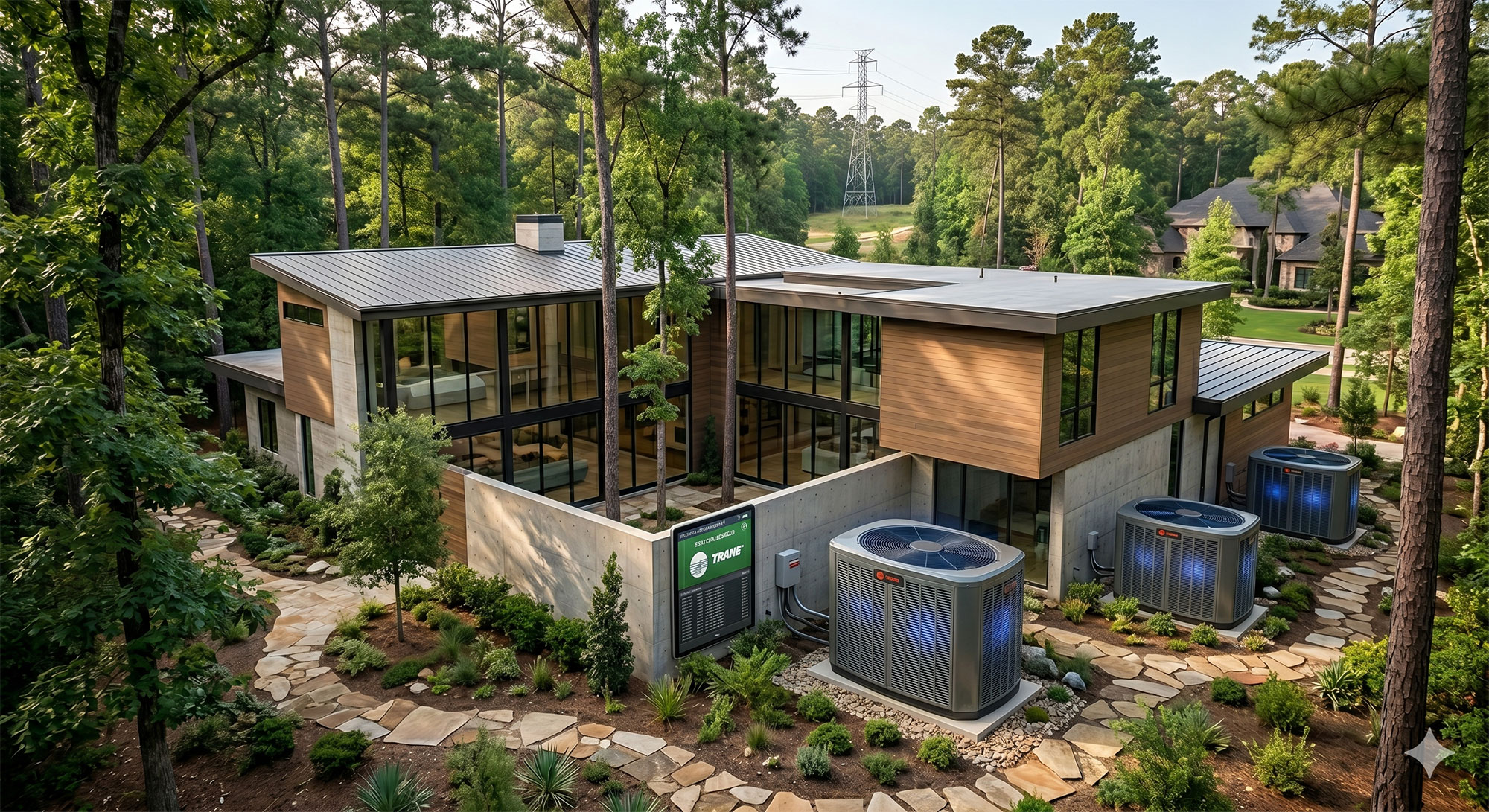
If you have stepped outside lately, you already know that our local climate doesn’t take it easy on residential air conditioning equipment. Your AC is easily the hardest-working appliance in your home, and maintaining it is a major part of managing your household budget.
However, a massive shift is happening behind the scenes that has nothing to do with the weather and everything to do with federal environmental regulations. The Environmental Protection Agency (EPA) is currently executing a major environmental overhaul under a piece of legislation known as the AIM Act. These new regulations are completely transforming the residential HVAC landscape, and if you own a home, it is going to directly affect your wallet.
Here is a straightforward breakdown of what these new EPA clean refrigerant laws actually mean for you, your current AC unit, and your future home improvement costs.
Out with the Old: The End of R-410A
For the past two decades, the vast majority of residential split-system air conditioners have relied on a chemical refrigerant blend called R-410A (often known by brand names like Puron) to extract heat from your home. While R-410A was an improvement over older, ozone-depleting refrigerants, it still carries a very high Global Warming Potential (GWP).
To curb these environmental impacts, the EPA has initiated a strict, multi-year phase-down of R-410A production. Major manufacturers are no longer permitted to build brand-new air conditioning systems that utilize R-410A.
What if you already have an R-410A system?
First, breathe a sigh of relief: the EPA is not forcing you to tear out your existing, perfectly functioning air conditioner. You can legally continue to run your current system for the remainder of its natural lifespan.
However, the financial impact will hit if your older system develops a refrigerant leak. Because the federal government is aggressively cutting the supply of raw R-410A chemical production, the cost of this refrigerant is starting to skyrocket. If your system requires a recharge or a major coil repair in the coming years, you can expect the cost of that existing R-410A fluid to be significantly higher than it was in the past.
In with the New: Welcome to A2L Refrigerants
To replace the outgoing chemical blends, the HVAC industry has officially transitioned to a new class of eco-friendly cooling agents known as A2L refrigerants (primarily R-454B and R-32). These chemicals do an incredible job of cooling your home while reducing the system’s carbon footprint by more than 70%.
From a technical standpoint, A2L refrigerants carry a mild structural difference: they are chemically classified as “mildly flammable.”
A Note on Safety: While the term “flammable” can sound alarming, an A2L gas is exceptionally difficult to ignite. In fact, it requires a direct, sustained open flame under highly specific laboratory conditions to catch fire. It is completely safe for home residential use, but it does mean the equipment keeping it contained must be built differently.
How the Transition Directly Impacts Your Finances
Because A2L refrigerants require completely updated safety standards, the architecture of a modern air conditioner has fundamentally changed. If you find yourself needing a full equipment upgrade, these changes will impact the total cost of installation in a few distinct ways:
- Advanced Equipment Standards: To comply with federal safety regulations, new A2L air conditioning units are equipped with factory-installed mitigation systems. These include highly sensitive electronic leak sensors and specialized control boards built directly into the indoor evaporator coil housing. These advanced safety components naturally increase the baseline manufacturing cost of the equipment.
- Specialized Technician Training: Because these systems operate with different pressure variables and require unique handling protocols, specialized training is mandatory. Reputable HVAC companies invest heavily in continuous education to ensure their technicians can install and service A2L systems perfectly safely.
- Zero Component Compatibility: You cannot mix old and new technology. An older R-410A outdoor condenser cannot be hooked up to a new A2L indoor evaporator coil, and vice versa. When it comes time to upgrade, homeowners will need to replace the full system together rather than replacing parts piecemeal.
The 15-Pound Leak Tracking Rule
In another major regulatory expansion, federal regulators have dropped the equipment capacity threshold for strict leak tracking and repair enforcement from 50 pounds down to just 15 pounds of high-GWP refrigerant.
While this change heavily targets light commercial systems, it is expanding federal oversight into property types that used to fly completely under the compliance radar. If you live in a large custom estate with multiple interconnected systems, manage a multi-family housing complex, or utilize heavy-duty multi-stage heat pump setups, your equipment may now cross into this 15-pound threshold. Under the updated law, systems exceeding this weight capacity are subject to mandatory calculated leak rates, strict 30-day repair windows, and verification inspections to ensure compliance.
Proactive Strategies to Protect Your Budget
While you cannot change federal manufacturing mandates, you can take control of how these laws affect your personal household finances. Here are the most effective ways to hedge against escalating costs:
1. Prioritize Twice-A-Year Maintenance
Because repairing an older R-410A system with a chemical leak is only going to get more expensive, preventative maintenance is your best financial shield. Catching a loose electrical connection, a failing capacitor, or a vibrating copper line early prevents minor friction from turning into a major breakdown that drains your refrigerant into the atmosphere.
2. Clear Away Exterior Obstructions
Sustained heat stress forces your system to operate at abnormally high pressures, which drastically accelerates physical wear and puts your internal coils at a higher risk for leaks. Keep a clear zone of at least two feet around your outdoor condenser unit. Remove heavy brush, weeds, or stored items to ensure the system can breathe freely and drop its internal operating pressures.
3. Plan Ahead—Don’t Wait for a Crisis
If your air conditioner is approaching the 12-to-15-year mark, don’t wait for a catastrophic failure in the middle of a triple-digit afternoon to start shopping. Emergency replacements leave you with zero time to research equipment options, compare pricing, or seek out flexible financing programs. Being proactive allows you to plan out the investment on your own terms.
Navigate the Changing Market with Confidence
The regulatory landscape of home comfort is shifting fast, but a changing market doesn’t have to mean a stressful experience. Investing in seasonal maintenance and partnering with an honest team that accurately diagnoses your equipment is the absolute best way to maximize the lifespan of your current unit and budget smartly for the future.
Whether you need a meticulous seasonal tune-up to protect your current system or an honest second opinion on a repair, we are here to ensure your home stays perfectly cool, safe, and efficient. Reach out to coordinate your next maintenance visit today!